
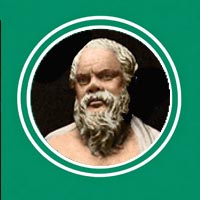
Socrates had a unique way of questioning
The Shift from the Physical Universe to the Nature of Man
Socrates transformed Western philosophy by shifting focus away from physical cosmology and turning inquiry inward to examine how human beings understand moral truths, faith, and society.
“Socrates looked more into the nature of man himself, rather than the physical universe. The most important mystery for the study of the philosopher became looking at the way human beings understand things. He developed a way of questioning that deconstructed the way people understood—or more importantly, misunderstood—concepts of faith, society, and moral issues. Although he wrote nothing down, what we know of him is based upon the notes of his students, primarily Plato.
Socrates stands as the first important name in the history of realistic philosophy, putting forward the idea that there can be no assumptions without questioning why something is so or how it came about. Built on solid experience and verifiable observations, his core principles remain as valid today as they were in ancient Athens.”
— Philosophical Commentary on Socratic Method
Key Philosophical Principles:
- Inward Inquiry: True wisdom begins by examining human understanding, moral concepts, and personal beliefs rather than external physical phenomena alone.
- Deconstructing Assumptions: The Socratic approach rejects unexamined assumptions, demanding that every claim be tested for origin, coherence, and truth.
- Timeless Relevance: Grounded in empirical observation and rigorous questioning, Socratic inquiry remains a vital tool for self-realization and critical thinking today.