
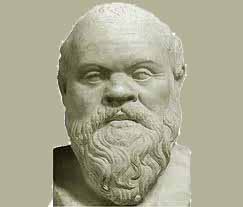
Socrates – Why We Shouldn’t Gossip
The Test of the Three Sieves
– A moment, replied Socrates. Before you tell me, I would like to test you on the three sieves.
– The three sieves?
– Yes, continued Socrates. Before telling anything about others, it’s good to take the time to filter what you mean. I call it the test of the three sieves. The first sieve is TRUTH. Have you checked if what you’re going to tell me is true?
– No, I just heard it.
– Very good! So, you don’t know if it’s true. We continue with the second sieve, that of KINDNESS. What you want to tell me about my friend, is it good?
– Oh, no! On the contrary.
– So, questioned Socrates, you want to tell me bad things about him and you’re not even sure they’re true? Maybe you can still pass the test of the third sieve, that of UTILITY. Is it useful that I know what you’re going to tell me about this friend?
– No, really.
– So, concluded Socrates, what you were going to tell me is neither true, nor good, nor useful. Why, then, did you want to tell me this?”
- Filter Your Words: Always evaluate speech against Truth, Goodness, and Necessity before speaking about others.
- Inner Poisoning: Unchecked gossip damages the speaker and listener as much as the subject.