
Why Was Socrates Killed?
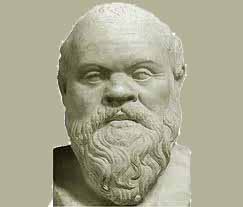
The Most Hated Man in Ancient Athens
Socrates, the greatest philosopher of all time, was condemned to death by the popular court of Athens (the Heliaea) and died drinking hemlock.
“He was accused of impiety and corruption of youth. But why all this? Socrates apparently wasn’t doing anything dangerous. He simply asked questions, speaking with everyone: nobles, common citizens, and young people.
However, his questions, in their frankness and simplicity, demolished the certainties of his interlocutors—forcing them to confront the emptiness of their own certainties and the incoherence of their reasoning. He taught us to doubt. Socrates was a character who was too uncomfortable because of the doubts he inculcated. He had the audacity to expose corrupt politicians and false teachers who advocated false truths and false knowledge.
For this, he was sentenced to death. He was a threat to the status quo, a danger that needed to be eliminated. During the trial, Socrates did not want to repent or beg for mercy, and he refused to be assisted by a professional orator.”
— Historical Context: The Trial of Socrates (399 BCE)
Key Philosophical Takeaways:
- Intelligence is Inconvenient: The trial against Socrates teaches us that corrupt systems and power structures fear honest questioning.
- Illusions Over Truth: The masses often seek comfortable illusions rather than uncomfortable truths; they wish to be flattered and live happily in ignorance.
- Challenging Authority: Wise thinkers are frequently ostracized and despised because they disturb collective sleep, question authority, and reveal institutional deceptions.