
The Upanishads & Shakespeare
Quotation
“Nothing is good or bad but thinking makes it so.”
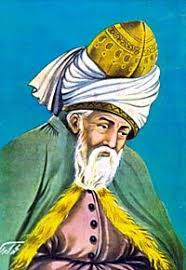
The Upanishads
It is said in the Upanishads: ‘I am the Universe.’ If you ask a hundred people as to how they find the world, they are all likely to give different answers. For some, the world is beautiful and the people are good, while for others, the world is extremely bad, and the people are treacherous and sinful. Why the same world is different for different people? It is so, because the outer world is the projection of our inner world. Therefore, the only way to improve the world outside is to improve the world within. While we may not have any control over the outside world, we can change our world within and thus change the world outside.
— Awdhesh Singh
Shakespeare
This is very similar in feeling to the quotation from Shakespeare. William Shakespeare wrote the play Hamlet between 1599 and 1601 during the reign of Queen Elizabeth I of England—a period of significant political and social turmoil.
William Shakespeare: ‘There is nothing either good or bad but thinking makes it so’
The quote captures something simple yet profound about how our minds operate. Shakespeare wasn’t just writing a dramatic line for Hamlet; he was pinpointing the exact mechanism of human suffering and peace.
Events, situations, and the world around us are entirely neutral. They simply exist. It is the ego—the relentless activity of thinking, judging, labelling, and reacting—that assigns the tags of “good” or “bad.” When we get caught up in those mental projections, we mistake our thoughts about reality for reality itself.
When we sit quietly and observe the mind, we begin to see this process in real time. We notice how a single thought can create tension, anxiety, or resentment, while letting that thought go restores instant balance. Shakespeare reminds us that our experience of the world isn’t shaped by external circumstances, but by the state of our own inner awareness.
- Shakespears thoughts on god — further reading
- Shakespeare human folly ego — further reading
- Shakespears Nothing is good or bad but thinking makes it so — further reading