
Carl Jung looking at Male Architypes
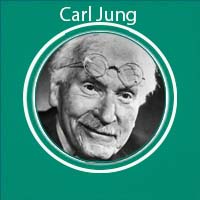
The Archetypes of the Divine: Carl Jung and the Universal Sacred Male
Please note, in this example of architypes I have chosen to look at some male architypes which go back through time and are easy to understand as they define the best in humanity.
Throughout human history, distinct spiritual figures and divine incarnations and prophets have captured human consciousness across radically different cultures and epochs. When Swiss psychiatrist Carl Gustav Jung formulated his theory of the collective unconscious, he posited that these religious figures endure not merely through historical record or institutional faith, but because they give living human form to innate, instinctual patterns structured within the human psyche—known as archetypes.
Jung observed that religion is the primary cultural vessel through which humanity integrates these psychological forces. By examining sacred figures—such as Lord Rama, The Lord Jesus Christ, Lord Ganesha, Shri Krishna and others —through a Jungian lens, we reveal how the masculine psychological principles of bravery, wisdom, social reform, transformation and divine play is mirrored across ancient spiritual traditions.
1. Lord Rama: The Hero Archetype & Righteous Duty (Dharma)
-
Jungian Archetype: The Hero
-
Core Psychological Principle: Ego mastery over chaos through moral discipline, noble courage, and self-sacrifice for the collective good.
-
Religious Comparison: Revered as Maryada Purushottama (the Ideal Man), Lord Rama’s warrior path represents the male aspect of bravery, benevolence, and duty (Dharma). In Jungian terms, Rama’s vanquishing of the demon king Ravana is not a conquest born of personal ambition or aggression, but the Hero’s psychological quest to confront destructive chaos and restore cosmic order.
In analytical psychology, the Hero archetype represents the ego’s struggle to overcome unconscious forces that threaten to engulf consciousness. Lord Rama embodies this principle in its purest form: bravery disciplined by ethics, strength tempered by righteousness, and the willingness to endure personal sacrifice for moral truth.
2. Lord Jesus Christ: The Rebel Archetype & Psychic Wholeness
-
Jungian Archetypes: The Rebel / The Self
-
Core Psychological Principle: The Rebel who dismantles rigid, stagnant dogmas to allow transformation, giving expression to the Self (psychic integration).
-
Religious Comparison: Jung identified Christ as a supreme cultural symbol of the Self—the self being the spiritual self not the physical self hence he demonstrates by his resurrection that the physical dies and is reborn, the physical/ materialism is transient what lives on is the spiritual self, the central archetype of psychological unity. Historically and spiritually, Christ acts through the Rebel archetype by directly challenging rigid social and religious dogmas, driving the money changers from the temple, and elevating spirit over legalism to reform society from within.
The Rebel archetype is essential for individual and collective evolution. When societal structures become ossified and oppressive, the spiritual Rebel appears to overturn outdated norms. Christ’s life demonstrates that true divine rebellion is not destructive lawlessness, but a deep act of love aimed at restoring inner spiritual truth over ritualistic conformity.
3. Lord Ganesha: The Sage Archetype & Intellect over Force
-
Jungian Archetype: The Sage
-
Core Psychological Principle: The embodiment of intellect, spiritual clarity, and the higher mind’s ability to navigate life’s complexities, we do have this in all the spiritual incarnations but each architype has exalted a particular principle into a higher state.
-
Religious Comparison: Lord Ganesha represents pure spiritual and intellectual wisdom (Buddhi). As the patron of learning and the scribe of the epic Mahabharata, Ganesha embodies the Sage who overcomes obstacles not through physical violence, but through mental acuity, insight, and discernment. Some of the principles of Shri Ganesh are described the strongest being innocence, this is an innocence without agenda, it is not built on ignorance the innocence has wisdom, for example, someone may make a mistake unknowingly and refer to that mistake, using the words it was an act done in innocence, an innocent mistake, but the other argument refering to the principle of Shri Ganesha would be that innocence has wisdom and the mistake was made without wisdom, these two principles and inextricably tied together.
In Jungian psychology, the Sage serves as a beacon of truth and mental clarity. Lord Ganesha illustrates that the masculine principle is not limited to physical strength or conquest; it reaches its highest potential when transformed into spiritual intelligence and problem-solving insight that clears path for human consciousness.
4. Shri Krishna: The Trickster & Divine Guide
-
Jungian Archetypes: The Trickster / Wise Guide
-
Core Psychological Principle: The Trickster breaks rigid ego structures and patterns of behaviour which are fixed according to the norms of the society or other groups and class systems within that society, these systems are ‘man made’ and are often referred to as illusionary or entering a Maya (a Maya is something unreal but often excepted as real) some people who have very fixed ideas cannot see the illusion (Maya), while the Wise Guide imparts ultimate wisdom.
-
Religious Comparison: In the Bhagavad Gita, Krishna serves as the ultimate Wise Guide. Yet, throughout his life, Krishna embodies divine play (Lila) through the Trickster archetype—stealing butter as a child or employing strategic deceit during the Kurukshetra war to demonstrate that cosmic truth transcends human rigid rules, many things that the ordinary person would think were of low moral value Lord Krishna demonstrates that’
Jung viewed the Trickster as a crucial psychological catalyst that disrupts human complacency and rigid moralism to reveal hidden truths. Krishna shows that divine wisdom operates beyond human categories of convention, utilizing playfulness and cunning to guide humanity toward higher realization.
5. The Shadow Archetype in Sacred Literature
-
Jungian Archetype: The Shadow
-
Core Psychological Principle: The suppressed, unintegrated, or destructive aspects of the human psyche that must be confronted for spiritual wholeness.
-
Religious Comparison: In sacred narratives, the Shadow is externalized as forces of egoism, greed, and spiritual blindness. For example:
-
Ravana in the Ramayana: Represents the unchecked shadow of grandiosity, pride, and sensory indulgence that seeks to usurp moral order.
-
Temptation in the Wilderness: Represents Christ confronting the inner Shadow of power, pride, and physical desire before beginning his public ministry.
-
“No tree, it is said, can grow to heaven unless its roots reach down to hell.” — C.G. Jung
Spiritual liberation across traditions requires confronting and mastering the Shadow rather than denying its existence—a core tenet shared equally by Jungian analysis and ancient spiritual philosophies.
Carl Jung – the Collective Unconscious
Carl Jung: Bridges Between Western Psychology and Eastern Wisdom
Carl Jung the Masks We Wear
Carl Jung Looking at Male Archetypes
Carl Jung - Psychology, Spirituality
Carl Jung: A Philosopher of the Psyche and Spirituality
Carl Jung Has a Near Death Experience
Carl Jung and Symbols of Alchemy
Stress - In the Words of Carl Jung, "Every crisis is a spiritual crisis."
Carl Jung, Symbols of Alchemy
Carl Jung 'Whenever We Touch Nature We Get Clean'
Carl Jung and Spirituality
Carl Jung, Quantum Physics and the Spiritual Mind
The Wisdom of Carl Jung
12 Archetypes as Seen by Carl Jung