
Jung’s Concept of the Collective Unconscious
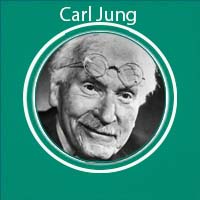
Jung distinguished the collective unconscious from the personal unconscious (which consists of an individual’s forgotten memories, suppressed impulses, and personal experiences). He defined the collective unconscious as:
-
A Shared, Inherited Structure: Unlike the personal mind, which is developed through personal experience, the collective unconscious is universal. It contains the inherited, evolutionary mental structures shared by all human beings across every culture and era.
-
The Realm of Archetypes: It serves as the reservoir for archetypes—instinctive, primordial images, symbols, and patterns of thought (such as the Mother, the Rebirth, the Shadow, and the Wise Old Man).
-
The Source of Myths and Dreams: Jung argued that because these archetype patterns reside deep within the human psyche, they naturally manifest everywhere in human history—surfacing repeatedly in mythology, religious symbolism, fairy tales, art, and dreams across isolated civilizations that had no direct contact with one another.
-
A Psychological Blueprint: Rather than containing specific pre-formed memories, Jung defined it as an innate blueprint or disposition—much like how birds are born with an innate instinct to build nests, humans are born with innate psychological frameworks for processing life, relationships, and spiritual experiences.
Carl Jung – the Collective Unconscious
Carl Jung: Bridges Between Western Psychology and Eastern Wisdom
Carl Jung the Masks We Wear
Carl Jung Looking at Male Archetypes
Carl Jung - Psychology, Spirituality
Carl Jung: A Philosopher of the Psyche and Spirituality
Carl Jung Has a Near Death Experience
Carl Jung and Symbols of Alchemy
Stress - In the Words of Carl Jung, "Every crisis is a spiritual crisis."
Carl Jung, Symbols of Alchemy
Carl Jung 'Whenever We Touch Nature We Get Clean'
Carl Jung and Spirituality
Carl Jung, Quantum Physics and the Spiritual Mind
The Wisdom of Carl Jung
12 Archetypes as Seen by Carl Jung